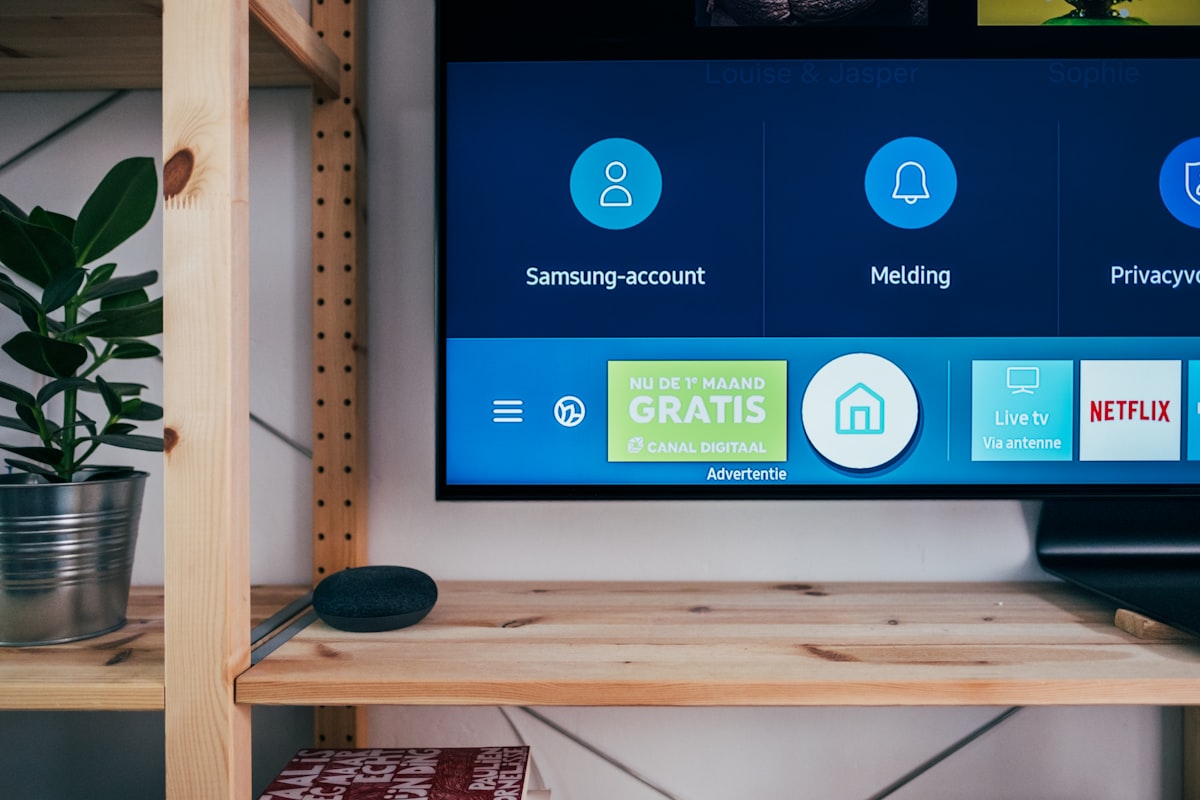
A smart home should reduce friction — not add another app for every light bulb. This guide walks you through planning a cohesive setup: choosing a hub, securing your network, layering lighting and climate control, and automating routines that actually match how you live.
Start with a plan, not a shopping cart
Most frustrating smart home experiences come from mixing incompatible ecosystems without a central strategy. Before buying hardware, list the problems you want to solve: porch light that forgets to turn off, thermostat fighting your schedule, or cameras that alert you every time a leaf blows by.
Prioritize rooms by daily use. Living areas and entryways benefit first from reliable lighting and door sensors. Bedrooms need gentler automations — warm dimming at night beats aggressive motion triggers that wake you at 2 a.m.

Hubs and ecosystems: Apple, Google, Amazon, or local?
Your phone ecosystem often nudges the decision. Apple HomeKit emphasizes privacy and local processing where supported; Google Home excels at voice queries and search integration; Amazon Alexa offers the broadest accessory compatibility and aggressive pricing on Echo devices.
For power users who want maximum control without cloud dependency, Home Assistant on a small server (Raspberry Pi or mini PC) unifies disparate brands through integrations. The learning curve is steeper, but you own the automations and can keep sensitive devices off the public internet.
Matter is the interoperability standard worth watching in 2025. Devices with the Matter logo can pair across platforms, reducing lock-in. When shopping, prefer Matter-over-Thread or Matter-over-Wi-Fi accessories for bulbs, plugs, and locks — especially if you might switch phone brands later.
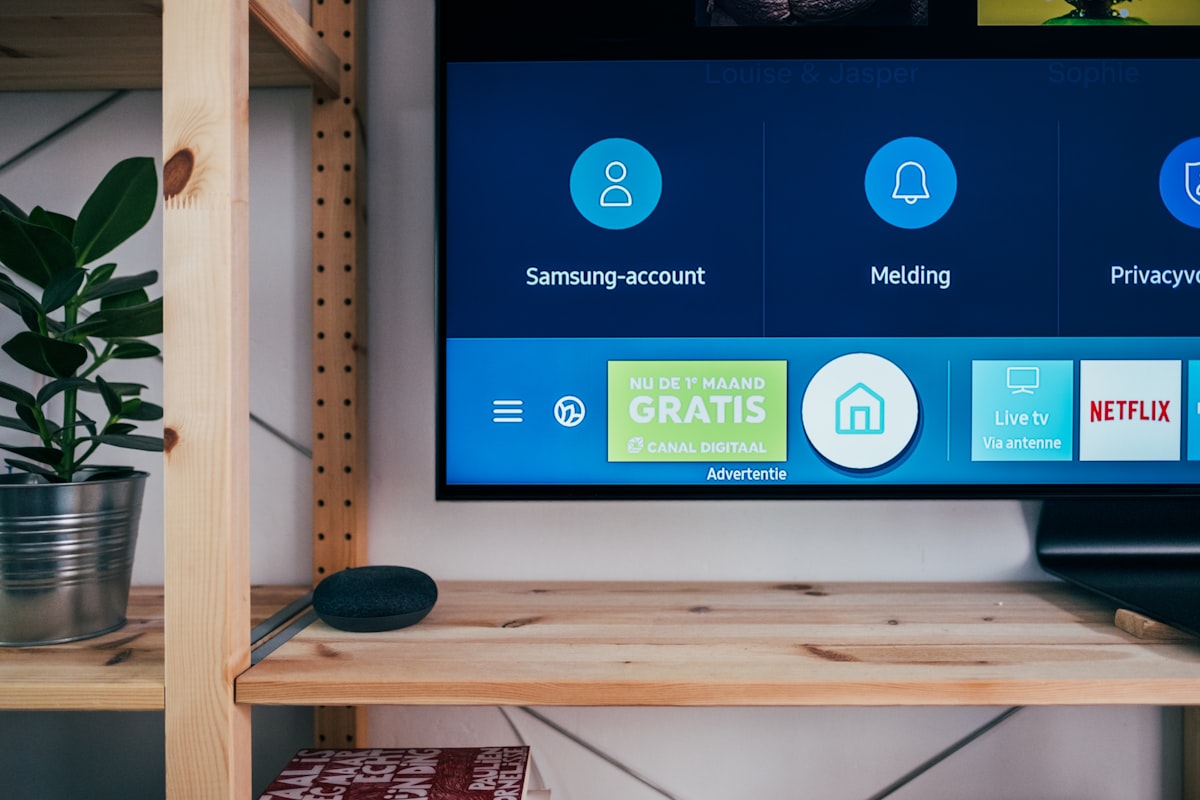
Lighting that feels natural
Replace “all on / all off” thinking with layers: ambient ceiling or cove light, task lighting at desks and counters, and accent lamps for evening wind-down. Tunable white bulbs (2700K–5000K) support circadian-friendly transitions — cooler in the morning, warmer after sunset.
Three-way switches and dimmers still matter. Choose smart bulbs for lamps and fixtures you rarely touch physically; use smart switches where family members expect traditional wall controls. Mixed approaches prevent the “switch off kills the bulb” problem.
- Group lights by room scenes: Daywork, Dinner, Movie, Goodnight.
- Use motion sensors in hallways and pantries with short timeouts.
- Avoid rainbow effects except for parties — consistency builds trust.
Security, cameras, and network hygiene
Separate IoT devices onto a guest or dedicated VLAN if your router supports it. Update firmware quarterly, disable UPnP on the main network, and use strong unique passwords on camera accounts. Local-storage NVRs or cameras with end-to-end encryption reduce exposure compared to cheapest cloud-only models.
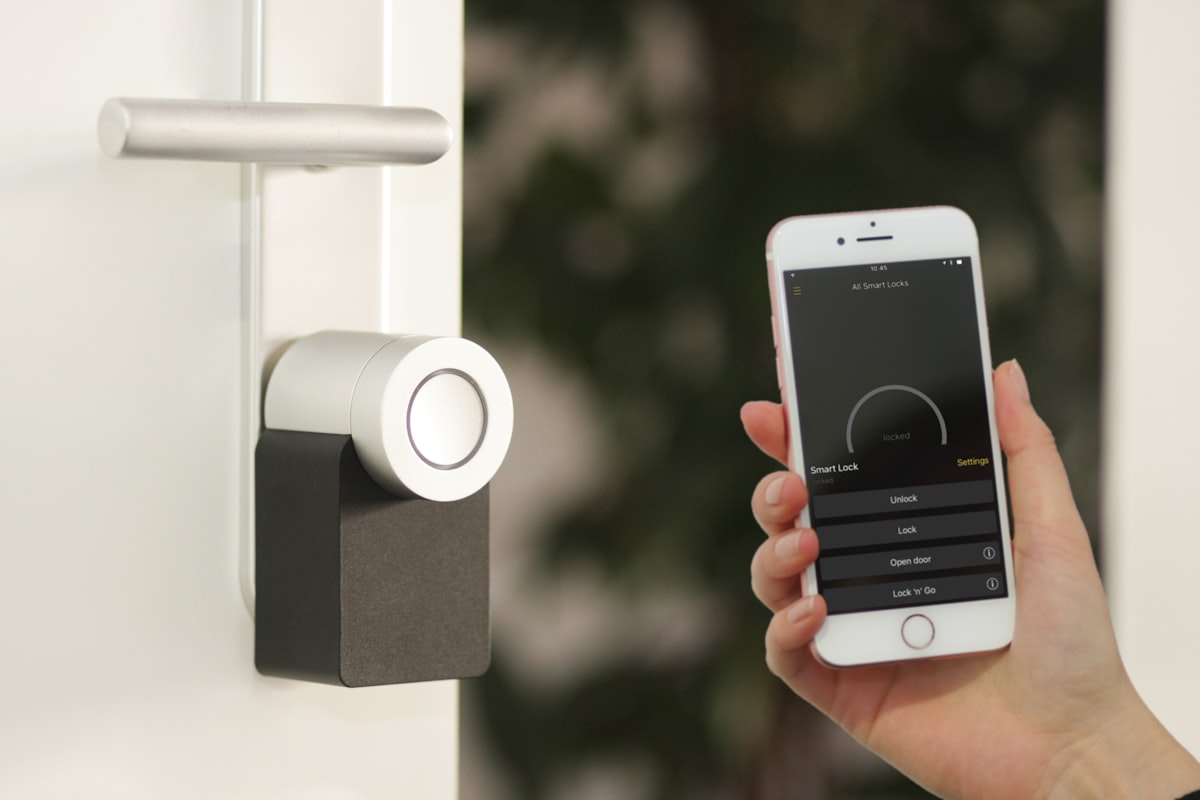
Position doorbell and exterior cameras to cover entries without filming neighbors’ property. Indoors, skip cameras in private spaces; use contact sensors on doors and windows instead. Pair alerts with sensible conditions — notify when away mode is on and the back door opens, not every delivery at the front.

Automation that sticks
Begin with two or three reliable routines: Leaving home lowers thermostat, turns off lights, arms cameras; Arriving restores climate and entryway light; Bedtime locks doors, sets nightlight path, enables do-not-disturb on phones. Test each for two weeks before adding complexity.
Geofencing is convenient but imprecise in dense housing; schedule-based triggers plus manual overrides often behave better. Voice shortcuts help guests — label them clearly in your assistant app.
Budget for occasional hub replacements and protocol shifts. Buy quality on items that are hard to rewire (door locks, thermostats) and experiment cheaply on plugs and single bulbs. A thoughtful smart home feels invisible: lights respond, climate adapts, and you spend less time tapping apps.