Health is not a 30-day challenge — it is the sum of defaults you repeat when motivation is low. These fifteen tips focus on habits sustainable for busy adults: realistic nutrition, movement you will keep doing, sleep hygiene, and mental practices backed by research rather than trends.
Nutrition without obsession
1. Plate method first. Half vegetables, quarter protein, quarter starch at most meals. No app required — visual portioning travels to restaurants and family dinners.
2. Protein at breakfast. Eggs, yogurt, or legumes reduce mid-morning crashes and mindless snacking. Pair with fiber (berries, oats, whole grain toast).
3. Hydration as routine. A glass of water after waking and before coffee. Keep a bottle at your desk — thirst masquerades as hunger often.
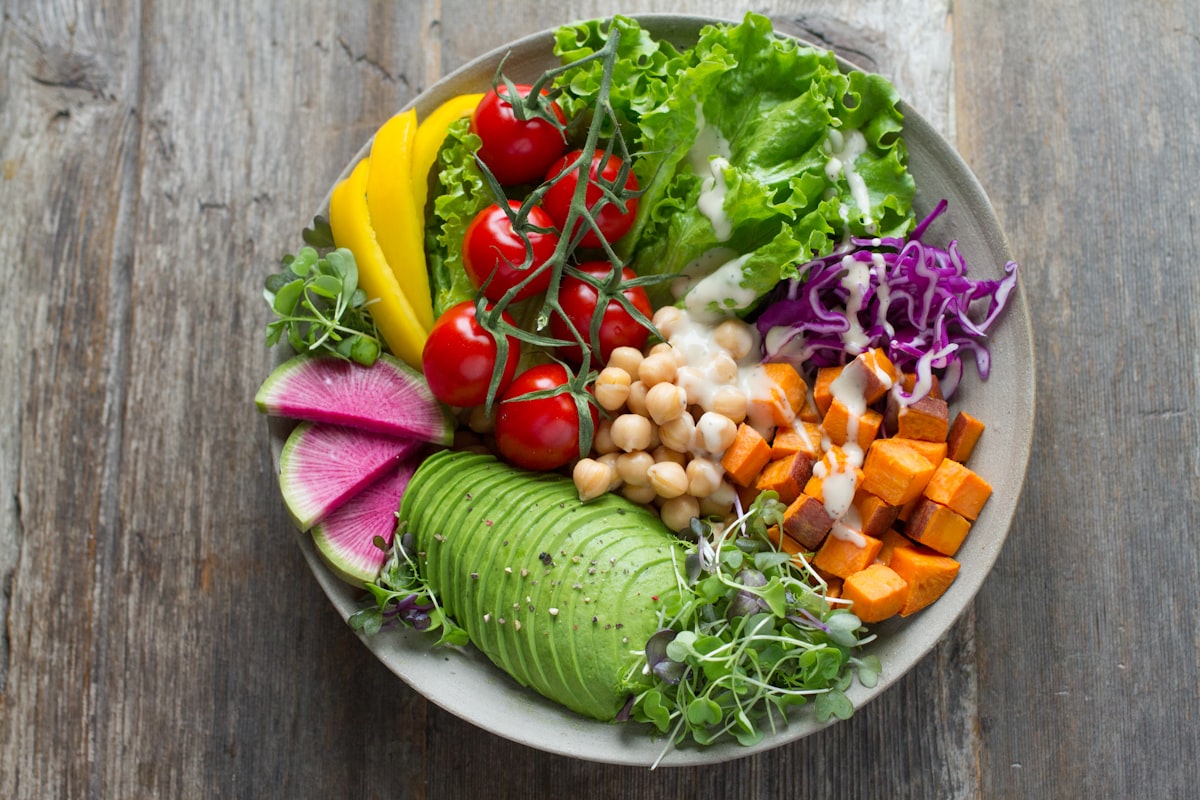
4. Meal prep light. Wash and chop produce on Sundays; cook one batch grain and one protein. Full freezer meal marathons fail for many — partial prep wins.
5. Mindful indulgence. Schedule foods you love instead of banning them. Two squares of dark chocolate after lunch prevents evening binges better than zero-tolerance rules.
Movement that fits real life
6. Walk after meals. Ten minutes aids glucose regulation and digestion. Park farther, take stairs, get off transit one stop early — NEAT calories accumulate.
7. Strength twice weekly. Compound lifts or bodyweight: squats, pushes, pulls, hinges. Maintain muscle for metabolism, bone density, and independence as you age.

8. Mobility five minutes daily. Hips, thoracic spine, ankles — short flows prevent injury when you increase intensity. Follow along videos count; perfection does not.
9. Recovery days are training. Sleep, protein, and easy walks on sore days beat pushing through pain that becomes chronic injury.
Sleep as foundation
10. Fixed wake time. Anchor your clock — even weekends within one hour. Consistency trains circadian rhythm more than perfect bedtimes.
11. Dark, cool bedroom. 65–68°F (18–20°C), blackout curtains or mask, phones charging outside arm's reach.

12. Caffeine cutoff. No coffee eight hours before target sleep; hidden caffeine in tea and chocolate matters for sensitive sleepers.
Mental and social health
13. Screen boundaries. Notification batching twice daily. Social apps off home screen — friction reduces doomscrolling without willpower battles.
14. Connection weekly. One meal or walk with someone you trust. Loneliness correlates with health risks comparable to smoking in large meta-analyses — community is physiological.
15. Stress tools you will use. Five-minute breathing (box or physiological sigh), journaling three lines, or brief meditation apps. Pick one; stack habits only after the first sticks thirty days.

Putting it together
Choose three tips — one nutrition, one movement, one sleep or mental — for the next month. Track adherence, not outcomes; weight and energy lag behavior changes. Consult clinicians for medical conditions before major diet or exercise shifts.
Healthy living is directional. Small defaults compound: the walk you took, the vegetables on the plate, the hour you protected for sleep — that is the lifestyle, not the perfect week.